Demurrage is what a terminal charges when your container sits inside its yard past free time. Detention is what a carrier charges when its container or chassis sits outside the terminal, at your warehouse or depot past free time. The rule that decides which one applies is location: inside the gate, it's demurrage; outside the gate, it's detention. Check your carrier or terminal tariff before you assume either one, since free-time windows vary by port and by contract.
TL;DR:
- Most demurrage and detention charges are preventable through operational control, including timely booking, documentation, and tracking free-time deadlines.
- Demurrage typically costs $75 to $300 per day, while detention ranges from $50 to $100 daily, with rates escalating after a few late days.
- Clear understanding of who controls the last free day and contractual liability based on Incoterms and bill of lading language is essential to avoid surprise charges.
- Confirming customs clearance, appointment scheduling, and warehouse availability before the vessel arrives can significantly reduce your D&D risk.
- Disputing charges requires timely, detailed documentation of events, with regulation data from the FMC serving as a benchmark for reasonableness.
Demurrage vs Detention: The Core Difference Explained
Both charges punish the same thing: a container that isn't moving fast enough. But they're billed by different parties for different reasons, and mixing them up is the single most common billing error importers make.
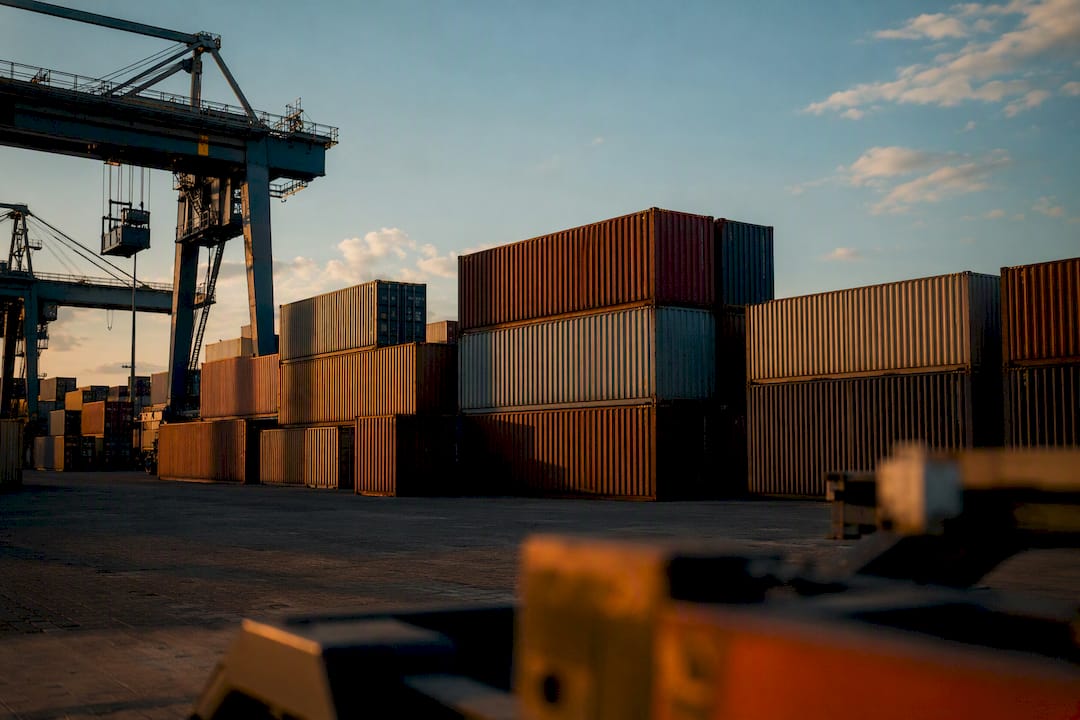
Demurrage is a terminal or port charge for a full container occupying yard space after free time expires, whether it's waiting for pickup on import or waiting to load on export. The terminal operator bills it, though it usually shows up on your invoice through the carrier or your customs broker. Think of it as a parking fee for cargo, charged by the square foot of yard the terminal can't use for anything else.
Detention is an equipment-use charge from the ocean carrier or leasing company for keeping their container or chassis outside the terminal past free time. It doesn't matter whether the box is sitting in your warehouse lot fully loaded or already empty. If the equipment hasn't been returned, the clock is running.
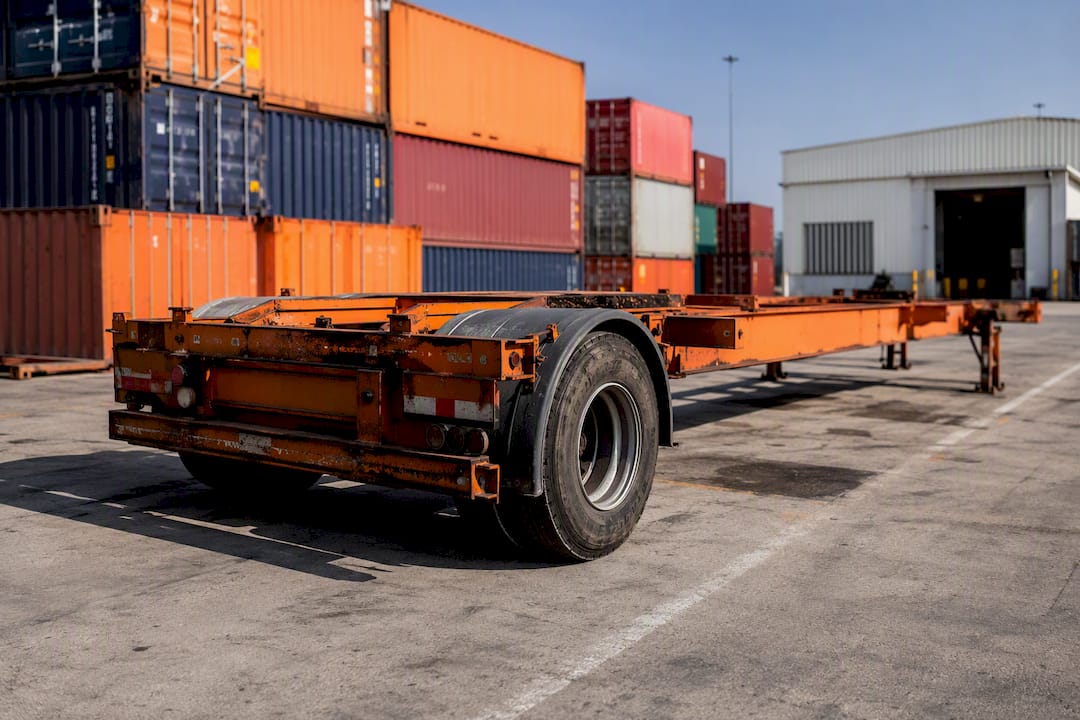
A few terms get thrown around interchangeably that shouldn't be: "per diem" is often used as a synonym for detention in ocean freight, "D&D" is shorthand for demurrage and detention combined, "gated out" means the container has physically left the terminal (which stops demurrage and starts detention), and "empty return" is the event that finally stops detention.
Two quick scenarios show how this plays out:
- Import delay: Your container discharges Monday. Free time is five days. Customs holds it for inspection until day seven. You owe two days of demurrage, because the box never left the terminal.
- Detention pileup: That same container clears and gates out on day six, inside free time. But your warehouse crew doesn't finish unloading and returning the empty box to the depot until nine days later. Now you owe detention, because the equipment was outside the terminal past its own free-time clock, separate from demurrage entirely.
How Free Time and the D&D Clock Actually Work
Free time is the number of days you get before either clock starts ticking, and it's set by the carrier or terminal, not by you. It's published in the carrier's tariff, the booking confirmation, or terminal notices, and it's worth reading before cargo even sails, not after an invoice lands.
Typical windows run 2 to 7 days depending on the port, the trade lane, and whatever you negotiated in your service contract. FCL imports commonly get less free time than LCL consolidations, and export free time (time to load before departure) often differs from import free time (time to pick up after arrival).
The clocks start and stop on specific, documentable events:
- Demurrage clock starts: vessel discharge, when the container is offloaded and available for pickup.
- Demurrage clock stops: the moment the container gates out of the terminal.
- Detention clock starts: the same gate-out moment, immediately picking up where demurrage left off.
- Detention clock stops: the empty container is returned to the designated depot.
Weekends and federal holidays are usually included in the free-time count unless the tariff explicitly excludes them, which trips up a lot of first-time importers who assume a holiday buys them an extra day. Force majeure events, port strikes, or terminal congestion sometimes trigger free-time extensions, but only if the terminal or carrier issues a formal notice. Don't count on it happening automatically.
Who's on the Hook: Contracts, Incoterms, and Billing Chains
Liability for demurrage and detention isn't always obvious from the shipment itself. It's buried in your Incoterms, your bill of lading, and whoever's name sits at the top of the invoice chain.
- Check your Incoterm first. Under DDP (Delivered Duty Paid), the seller or their forwarder typically absorbs D&D risk up to final delivery, since they control the customs and pickup timeline. Under FOB or DAP, the buyer usually inherits that risk the moment the container is available, even if a third party physically handles the pickup.
- Read the bill of lading language. The consignee named on the bill of lading is generally who the terminal or carrier tariff holds responsible for demurrage, regardless of what your commercial contract says. Tariff terms override casual assumptions.
- Trace the NVOCC or forwarder relationship. When a non-vessel-operating common carrier or freight forwarder books the move, invoices sometimes route through them first, which delays your visibility into charges accruing in real time.
- Put billing clauses in writing before booking. Your contract or rate agreement should specify who pays D&D, how many free days apply, whether rates are tariff or negotiated, and what documentation triggers a dispute.
- Confirm who controls the last free day. Ambiguity here, carrier versus terminal versus depot, is one of the most common reasons charges surprise importers who thought someone else was tracking the deadline.
Third-party involvement adds friction. A customs broker who's slow to file, a trucker without an open appointment slot, or a depot that's full can each independently blow past free time, and untangling who caused the delay often matters more than who's named on the invoice.
What Demurrage and Detention Actually Cost You
Rates aren't standardized, and that's exactly why so many importers get blindsided. Both charges typically run on a per-container, per-day basis with escalating tiers, meaning day three costs more than day one.
By the numbers: Industry rate surveys show demurrage commonly runs $75 to $300 per day, while detention tends to land lower, roughly $50 to $100 per day. Reefer containers, oversized equipment, and cargo moving during a peak season surcharge window all push rates toward the top of those ranges.
Here's a worked example. Say a standard 40-foot container discharges with five free days. Customs delays release until day nine, four days over. At $150 per day demurrage, that's $600 before the box even leaves the terminal. It gates out on day nine, but the warehouse doesn't return the empty until day 14, five days past a five-day detention free-time allowance. At $75 per day detention, that adds another $375. Total exposure on one container: $975, and that's before accounting for any escalating rate tiers that kick in after the first few late days.
Tariff rates are the default, but they're not always the final word. Shippers with volume or long-term contracts can often negotiate flat or capped daily rates that beat the published tariff, particularly with carriers competing for consistent cargo during a slow season.
Cutting Your D&D Exposure Before It Happens
Most demurrage and detention charges are preventable, and the fix is almost always operational, not legal. Waiting until an invoice arrives to fight it is the expensive way to solve this problem.
Start with visibility. Know your last free day the moment a container is booked, not when it discharges. Confirming which party controls that deadline, carrier, terminal, or depot, closes one of the biggest gaps that leads to surprise billing. Set alerts three days before free time expires, not the morning it does.
Pro Tip: Build your customs paperwork before the vessel even arrives. A container that clears in advance can gate out same-day on discharge, which is often the difference between zero demurrage and a four-figure invoice.
Documentation readiness matters just as much as customs timing:
- Confirm ISF filing and entry documents are complete before arrival, not after.
- Pre-book your drayage appointment the moment the vessel's ETA firms up.
- Verify depot availability for empty returns before the container even gates out, since a full depot can strand your equipment as badly as a customs hold.
- Track factory shipping schedules against port congestion so peak-season volume doesn't collide with a tight free-time window.
Return planning deserves its own attention. Depot selection matters because not every empty-return location accepts every container type, and a rejected return doesn't stop the detention clock, it just adds a wasted trip. Where volume allows, negotiate blanket agreements that lock in extra free days or capped daily rates across every shipment in a service contract, rather than fighting for exceptions container by container.
For sellers managing frequent inbound freight from Asia, a managed DDP arrangement shifts a lot of this operational burden, customs filing, appointment booking, empty returns, onto the forwarder instead of an internal logistics team stretched across other priorities.
How to Dispute a Demurrage or Detention Invoice
Disputes succeed or fail on documentation, and most importers don't start collecting it until the invoice is already in hand, which is too late for some of it.
- Pull your timestamps immediately. Gate-in and gate-out records, customs release confirmations, and appointment receipts all carry timestamps that either support or undercut the invoice.
- Reconstruct the full timeline. Line up vessel discharge, customs hold dates, appointment availability, and depot return against the tariff's free-time terms to find where the terminal or carrier's math doesn't match reality.
- Contact the right party first. Documentation is the strongest lever in a dispute, and the terminal, carrier, or forwarder who issued the invoice is where it starts, not a blanket complaint to a regulator.
- Build the contractual argument. Common winning arguments include terminal-caused delays (congestion, missed appointments the terminal itself couldn't accommodate) or carrier system errors in free-time calculation.
- Escalate if unresolved. If the terminal or carrier won't adjust after a documented appeal, filing with the Federal Maritime Commission is the next step for unresolved billing disputes.
FMC Rules and Where the Data on D&D Comes From
Demurrage and detention aren't just carrier-and-terminal business as usual anymore. They're under direct federal scrutiny, and the paper trail behind that scrutiny is public.
- The Federal Maritime Commission has run extended fact-finding on D&D billing practices since 2014, pushing for clearer rules on who can be billed and what documentation carriers must provide.
- Carrier-submitted data collected by the FMC shows total D&D billed rose roughly nine-fold between the second quarter of 2020 and the first quarter of 2022, a spike tied to pandemic-era port congestion that shaped the Commission's current rulemaking priorities.
- Federal Register notices and eCFR Title 46 entries lay out the formal rule text if you need to cite regulatory language in a dispute or contract negotiation.
- FMC public data offers a useful benchmark: if your invoiced rates or free-time windows look far outside what the Commission's aggregate reporting shows, that's a reasonable basis to ask your carrier for justification.
The DDP Perspective on Managing D&D Risk
Demurrage and detention are ultimately timeline problems, and DDP solves them by putting one party in charge of the entire timeline instead of splitting it across a buyer, a broker, and a trucker who've never spoken to each other. When ForwarderOne manages a shipment DDP, customs filing, gate-out scheduling, and empty returns all sit with one accountable team instead of scattered across parties who each have their own priorities.
ForwarderOne's own operation runs above 99% on-time delivery, with a dedicated account manager tracking free-time deadlines shipment by shipment rather than leaving an Amazon seller to monitor tariffs across multiple carriers. Self-managing D&D risk can work fine for a shipper with an internal logistics team and slack in their schedule. For a small or mid-sized Amazon FBA seller running lean during peak season, the tradeoff usually favors handing that risk to a forwarder built to track it.
If you're evaluating whether to keep managing this in-house, ForwarderOne's marketplace freight services outline how DDP shipping folds customs, duties, and delivery into a single workflow, which is the fastest way to keep D&D exposure from depending on a stretched internal operations team.
Where to Go Next for the Official Rules and Data
The Federal Maritime Commission's detention and demurrage page is the primary source for carrier-submitted billing data and current rulemaking status. For the formal rule text itself, the Federal Register notice on D&D rulemaking and the corresponding eCFR Title 46 entries spell out the legal language behind billing obligations.
For operational checklists rather than legal text, review your own carrier or terminal tariff first, since that document, not a general industry guide, is what actually governs your free time and rates. Pairing that with customs clearance timeline guidance helps you map your own paperwork deadlines against the free-time clock before a shipment ever arrives.
FAQ
Who Pays Detention and Demurrage Charges?
The party named as consignee on the bill of lading is typically who the terminal or carrier tariff holds liable, though your Incoterm and commercial contract often shift that cost between buyer and seller in practice.
What Does D&D Mean in Shipping?
D&D is shorthand for demurrage and detention combined, the two most common charges billed when a container or its equipment sits idle past free time.
What Does "14 Days Free Detention and Demurrage" Mean?
It means the carrier or terminal is granting 14 combined free days before either clock starts charging, though some contracts split that allowance separately between demurrage and detention rather than pooling it.
What Is the Difference Between Demurrage and Dispatch?
Demurrage penalizes a container that overstays its free time in the terminal, while dispatch is essentially the reverse: a bonus some charter agreements pay when cargo loads or discharges faster than the allowed laytime.
Need D&D risk controlled before arrival?
ForwarderOne coordinates customs readiness, pickup appointments, empty-return planning, and DDP delivery so demurrage and detention deadlines are managed before cargo reaches the terminal.